Introducing the BD Biliary Stent THP


Balloon dilatations provide only temporary expansion of strictures where prolonged radial force is required to sufficiently remodel the stricture. Plastic and metal stents must be removed and replaced, as must biliary catheters. Furthermore, traditional biliary stents (characterised by their complex application and limited scope) have been unable to fully satisfy clinical needs1.
So what do we really need from a biliary stent in order for it to bring value to both the patient and the clinician? We need consistent radial force, ease of use, longevity, effectiveness and minimal further interventions… well – we have just the thing.
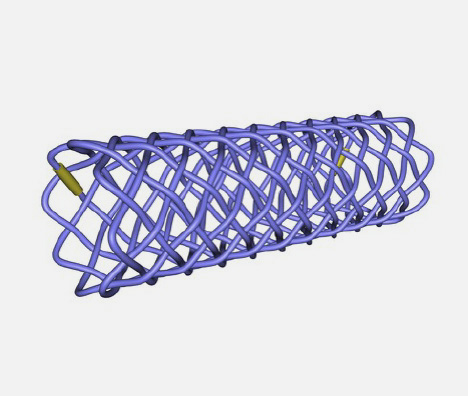
The BD Biliary stent is the world’s first self-expanding, biodegradable, biliary stent. The stent will begin to degrade over time until it is fully resorbed by the body, but still offers an impressive 3-6 months before complete dissolution – meaning that you can ensure your patients are given the best chances at long term stricture remodelling without the stent ever needing to be removed.
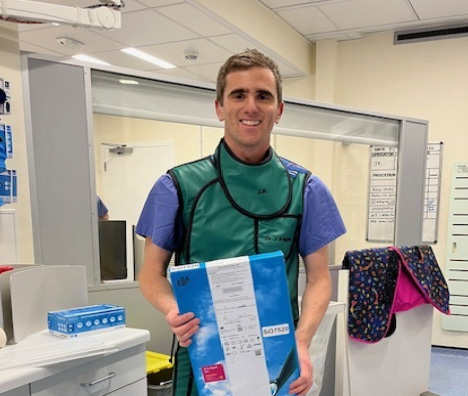
“The patient that received the BD Biliary Stent was considered a high risk for re-do surgery, suffering recurrent biliary sepsis despite balloon dilatation.
The patient’s gastroenterologist fed back that since the implant they have steadily improved and feel much better now, having had no further episodes of biliary sepsis and requiring no repeat interventions – all in all, a very good result for the patient.
Overall, the BD Biliary Stent was the perfect choice for our patient with a benign biliary structure. It was easy to use and delivered good results, stopping recurrent episodes of biliary sepsis and avoiding high-risk surgical intervention.”
If you would like more information about the BD Biliary Stent, you can get in touch with us by dropping an email to hello@itsinterventional.com or giving us a call on 0114 268 8880.

References
1. Ni, D. J., Yang, Q. F., Nie, L., Xu, J., He, S. Z., & Yao, J. (2024). The past, present, and future of endoscopic management for biliary strictures: technological innovations and stent advancements. Frontiers in medicine, 11, 1334154. https://doi.org/10.3389/fmed.2024.1334154


