A First Timer's Guide to Breast Screening.



What is breast screening?
Breast screening in the UK takes place between the ages of 50-70 (or younger if you have a family history of breast cancer) for women and people assigned female at birth (AFAB). If you’ve been invited to attend your first screening appointment, you might be wondering what screening entails and how best to prepare for it. We’ve created this guide to attending your screening appointment using advice from our colleagues and friends who have attended screening along with advice from some of the breast radiologists we work closely with across the UK.

How is it performed?
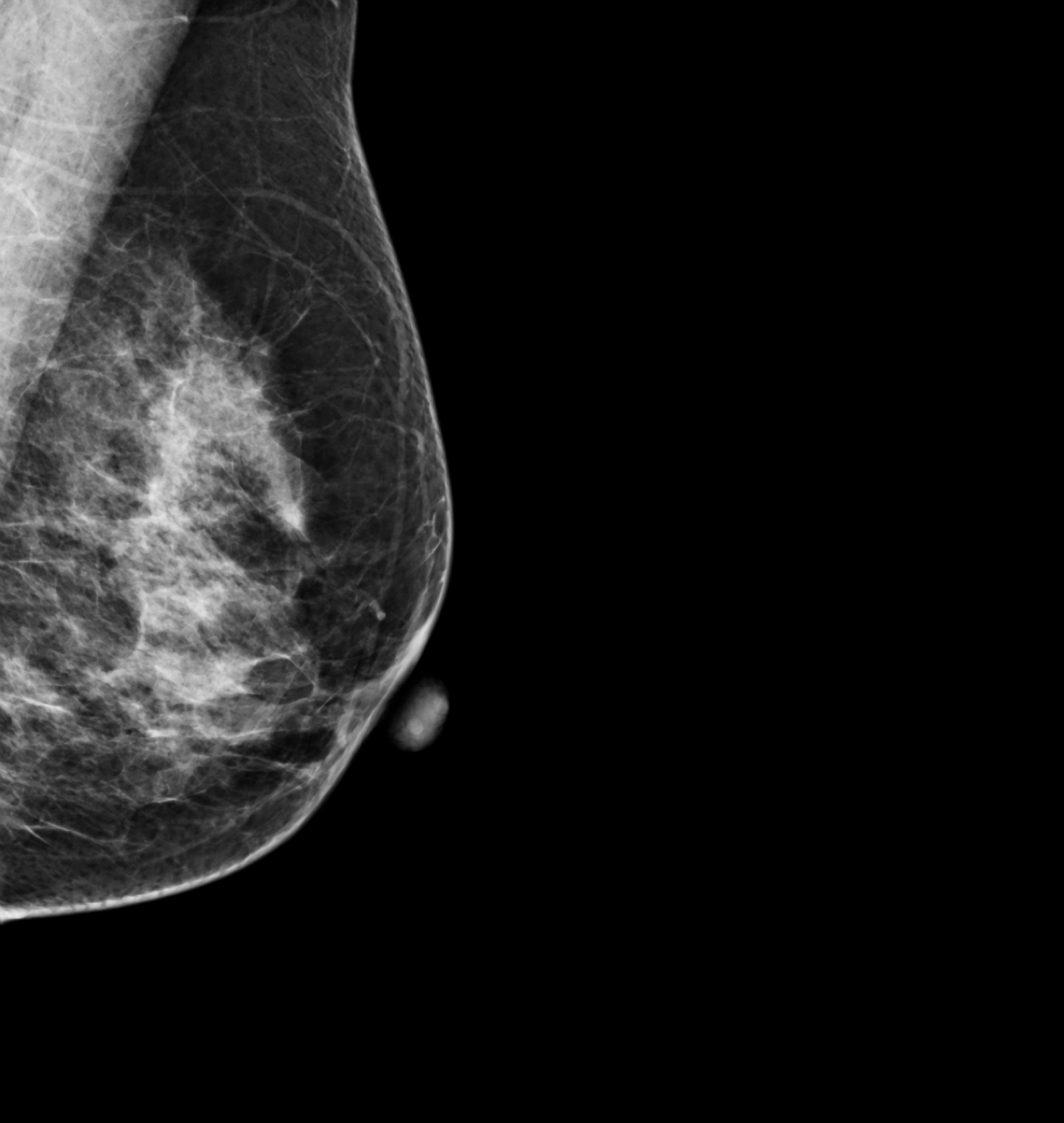
Breast screening is done using mammography, which is an X-ray of the breast. The breast is compressed in a plastic paddle and 2 X-ray images are taken of each breast. It is then sent to two different clinicians to be ‘read’ (checked for signs of disease).

Is screening the right decision for me?
The choice is yours to make and screening is not mandatory, so read through the literature that comes with your invitation letter to make the best informed decision for you.
For every 100 women screened, 1 woman is diagnosed with breast cancer. Here are some more statistics to consider when making your decision:
For every 100 women screened, 1 woman is diagnosed with breast cancer. Here are some more statistics to consider when making your decision:

100
Women
screened
screened


96
normal
result
result
4
require further
investigation
investigation
return to
routing
screening
routing
screening
3
no cancer
found
found

1
is diagnosed
with cancer
with cancer
Can I have a mammogram if...
You can absolutely still have a mammogram if you have breast implants. You should call your screening centre when you receive your invitation letter to let them know as they may need to allow extra time for you to be positioned specially as breast screening only looks at your breast tissue and not the implants.
Some women have ruptured implants that aren’t causing a problem so are left alone – if this is the case, you should tell your radiographer. There is currently no evidence that mammography compression can cause a rupture of a breast implant.
Some women have ruptured implants that aren’t causing a problem so are left alone – if this is the case, you should tell your radiographer. There is currently no evidence that mammography compression can cause a rupture of a breast implant.
Yes – if you have breast tissue, you can attend screening regardless of whether or not you identify as a woman.
If you are a transgender man and have not had your breasts removed, you are eligible to attend breast screening. If you’re not automatically invited, you should call your GP surgery to request an appointment.
If you are a transgender woman and you are taking hormones, the development of breast tissue means you could potentially be at risk of developing breast cancer so you are eligible to attend screening – if you are not automatically invited, you should call your GP surgery to request an appointment.
If you are a transgender man and have not had your breasts removed, you are eligible to attend breast screening. If you’re not automatically invited, you should call your GP surgery to request an appointment.
If you are a transgender woman and you are taking hormones, the development of breast tissue means you could potentially be at risk of developing breast cancer so you are eligible to attend screening – if you are not automatically invited, you should call your GP surgery to request an appointment.
If you are non-binary and have breast tissue, you are likely eligible for breast screening – contact your GP to discuss if you are not automatically invited.
If you are pregnant or breastfeeding when you receive an invitation letter, you should call the provided phone number to discuss what’s best.
Mammography equipment can be raised and lowered so if you are a wheelchair user or you struggle to stand for periods of time, you can still attend screening and can request a chair. Accessibility to the screening suite may depend on whether your appointment is going to be in the hospital or on one of the mobile units, so ring the number on your invitation letter to discuss before your appointment.
Preparing for the appointment
There isn’t much that you need to prepare before your screening appointment, but we’ve compiled some helpful tips for things which can make your experience a bit easier:

Make sure your phone is charged

Take your letter with you in case you need to navigate the hospital or call ahead

Thoroughly read your invitation letter and any literature provided with it

Make a note of any questions you have for the breast care team and take a pen and paper with you in case there’s any information you want to jot down while you’re there

Take a book or pre-download things onto your phone - walls in X-Ray suites are often lead lined and there might not be wi-fi while you wait

Leave yourself extra time (especially if you need to navigate a hospital!)

Tie your hair back if it’s really long

What should I wear?
When you get to the appointment, you will be asked to undress from the waist up. You may therefore feel more comfortable wearing a two-piece outfit (for instance a shirt and bottoms) as opposed to a dress. Some centres may ask you to use your own top to cover yourself in the waiting room once you have removed your bra, so consider wearing a loose top and something comfy on your bottom half.
What should I take with me?
We asked our friends and colleagues who have attended screening
if there’s anything they’d recommend taking.
Here are the most popular answers…
Here are the most popular answers…
- Your appointment letter
- A book or something to keep you occupied if you are waiting a while
- A little bag for your jewellery
- Wet wipes
- Pen and paper
- A bottle of water


Attending Screening
Parking - Hospital appointments
Check your invitation letter to see if your appointment will be at the hospital or on one of the mobile units. We’re all familiar with the complexities of hospital parking, so here are some of our top tips for things to consider before your appointment:
Check how to pay for parking at the hospital you’re attending – some hospitals have systems that only accept card payments, so look this up ahead of time on the hospital’s webpage.
One tip for trying to find parking in a hospital from one of our colleagues is that if it’s a multi storey, drive straight to the top first – there’s more likely to be spaces at the top and you can work your way down if need be!
It’s also a great idea to check which department of the hospital your appointment will be in – some hospitals have dedicated breast units however some may be performed in the X-Ray suite. Your appointment letter should tell you how to get there, but it’s always best not to assume you can just navigate the maze of a big hospital when you get there to avoid further stress.
Parking - Van appointments
If your appointment is on one of the mobile units, there should be parking available nearby. Sometimes the vans are in supermarket car parks, so just check the rules on how long you can stay without getting a ticket and make a note of the time you arrive.
Check your invitation letter to see if your appointment will be at the hospital or on one of the mobile units. We’re all familiar with the complexities of hospital parking, so here are some of our top tips for things to consider before your appointment:
Check how to pay for parking at the hospital you’re attending – some hospitals have systems that only accept card payments, so look this up ahead of time on the hospital’s webpage.
One tip for trying to find parking in a hospital from one of our colleagues is that if it’s a multi storey, drive straight to the top first – there’s more likely to be spaces at the top and you can work your way down if need be!
It’s also a great idea to check which department of the hospital your appointment will be in – some hospitals have dedicated breast units however some may be performed in the X-Ray suite. Your appointment letter should tell you how to get there, but it’s always best not to assume you can just navigate the maze of a big hospital when you get there to avoid further stress.
Parking - Van appointments
If your appointment is on one of the mobile units, there should be parking available nearby. Sometimes the vans are in supermarket car parks, so just check the rules on how long you can stay without getting a ticket and make a note of the time you arrive.

What to expect
After you sign in for your appointment, you will be shown to a dressing room to undress from the waist up. You will either be provided with a gown or asked to use your own top to cover up while you wait (once you have taken your bra off). There may or may not be lockers available, so bear this in mind if taking valuables.
When you enter the mammography suite, 4 X-ray images of your breasts will be taken – 2 of each breast (one at a time) at slightly different angles. The mammographer will position your breast under a plastic paddle which will compress the breast and take an image. This process will be repeated until 2 images of each breast have been taken.
After the appointment, you will be instructed to re-dress and exit.
When you enter the mammography suite, 4 X-ray images of your breasts will be taken – 2 of each breast (one at a time) at slightly different angles. The mammographer will position your breast under a plastic paddle which will compress the breast and take an image. This process will be repeated until 2 images of each breast have been taken.
After the appointment, you will be instructed to re-dress and exit.
Commonly asked questions
You will more than likely have a private room or cubicle to change in. Some screening centres have lockers for your belongings, but this is not always the case.
You will more than likely have a private room or cubicle to change in. Some screening centres have lockers for your belongings, but this is not always the case
Your mammographer will need to touch your breasts to make sure they are positioned correctly for imaging. You can expect to be treated with respect and compassion, and if you are uncomfortable at any time you can tell the mammographer.
There will not be any male mammographers capturing your images and you will never be in a state of undress in front of a man during your screening appointment.
Most ladies do not find this painful, however it may be slightly uncomfortable while your breast is compressed. The compression is applied to spread out the tissue and get a really good quality picture of the breast to make sure nothing is missed, but it only lasts a few seconds at a time.
Your appointment will probably only take 5-10 minutes (though this may be longer if you have implants). Be aware that wait times vary though, so it’s best not to book anything for immediately after your appointment just in case!
The amount of radiation you will be exposed to during your appointment is well within the safe levels. Modern mammography equipment emits incredibly low levels of radiation, however if you are concerned, or you have had several X-rays in the year or so before your appointment, call your screening centre beforehand.

After your appointment
There isn’t any specific aftercare involved in having a mammogram, but if your breasts feel sore afterwards, a comfortable bra and some painkillers should do the trick.
If you experience severe pain after your appointment, speak to your GP or give the screening centre a call.
If you experience severe pain after your appointment, speak to your GP or give the screening centre a call.
What happens to the images?
The X-rays of your breasts will be independently reviewed by two different radiologists or radiographers. You will be informed (usually by letter) whether your mammograms were normal or require further follow-up.
The NHS will save your mammograms for at least 8 years – they are useful reference points for review the next time you are invited for screening to check for any changes within the breast.
Can I exercise after a mammogram?
Absolutely!
Who can I talk to if I have more questions?
Breast Care Nurses will likely be present when you go to your appointment and they are brilliant points of contacts for any questions you might have. They can also give you really helpful advice on how to reduce breast pain, choosing the right bra for you, and more.
The X-rays of your breasts will be independently reviewed by two different radiologists or radiographers. You will be informed (usually by letter) whether your mammograms were normal or require further follow-up.
The NHS will save your mammograms for at least 8 years – they are useful reference points for review the next time you are invited for screening to check for any changes within the breast.
Can I exercise after a mammogram?
Absolutely!
Who can I talk to if I have more questions?
Breast Care Nurses will likely be present when you go to your appointment and they are brilliant points of contacts for any questions you might have. They can also give you really helpful advice on how to reduce breast pain, choosing the right bra for you, and more.
References
Public Health England (2021). NHS breast screening: helping you decide.GOV.UK (n.d.) NHS breast screening: helping you decide.Just, J. (2018). Overdiagnosis: when finding cancer can do more harm than good. [online] Cancer Research UK - Cancer NewsPublic Health England (2019). Breast implants and breast screening.NHS inform. (n.d.). Transgender screening in Scotland.www.breastcancer.org. (n.d.). Why Can’t I Wear Deodorant to My Mammogram? Public Health England (2017). Radiation risk with digital mammography in breast screening.


